
The Thrill of Uncertainty
The experience of gambling can be likened to a rollercoaster ride, inducing a spectrum of emotions that are largely influenced by the thrill of uncertainty. Gamblers are often drawn to the unpredictable nature of games, where fortunes can change in an instant. This adrenaline rush is a significant part of what keeps players returning to casinos, especially with the rise of canada sports betting options that enhance the excitement. The anticipation of winning creates a psychological high that many individuals chase, often overriding their awareness of the actual odds and risks involved in their betting activities.
Research indicates that the brain releases dopamine, a neurotransmitter associated with pleasure and reward, during gambling activities. This chemical reaction can generate a powerful sense of euphoria, reinforcing the desire to continue playing despite potential losses. For many gamblers, the excitement of not knowing the outcome—coupled with the hope of a massive win—creates an almost hypnotic effect. This dynamic makes it incredibly challenging for players to detach themselves from the experience once they become emotionally invested, leading to a cycle of repeated gambling.
Moreover, the presence of other gamblers can amplify this psychological phenomenon. The communal atmosphere found in casinos often leads to a shared sense of excitement as players celebrate wins and commiserate over losses together. This social component enhances the enjoyment of gambling, making it not just about financial gain but also about belonging to a community. However, this social engagement can also lead to risky behavior, as players may feel emboldened to wager more to seek the approval and excitement of their peers, further entrenching them in gambling activities.
Cognitive Biases in Gambling
Cognitive biases play a crucial role in how gamblers perceive their odds of winning, significantly impacting their behavior and decisions at the gaming tables. One of the most common biases is the illusion of control, where players believe they can influence the outcome of games that are purely based on chance. For instance, many individuals feel that their strategies or betting patterns can tilt the odds in their favor, despite the inherent randomness of games like slots or roulette. This false sense of control can lead to irrational decision-making and increased betting.
The gambler’s fallacy is another prevalent cognitive distortion, where individuals erroneously believe that past results will affect future outcomes. For example, a player might think that a particular slot machine is “due” for a payout after a streak of losses. This belief can lead to a cycle of betting based on false expectations and the misguided pursuit of what they think is a ‘due’ win. These biases not only misguide players about their chances but also fuel their desire to engage in gambling time and again, often leading to larger bets and increased losses.
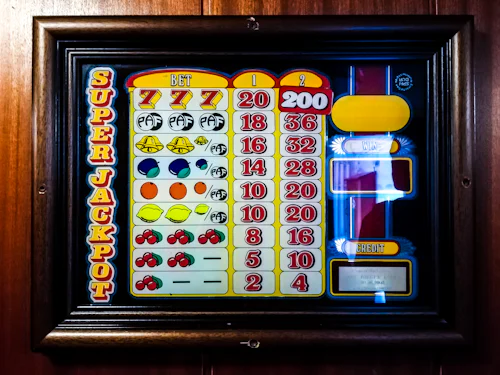
Furthermore, casinos are designed to exploit these cognitive biases. The arrangement of machines, along with the sounds and lights that signal wins, serves to enhance the illusion of control and excitement. This carefully curated environment can manipulate players’ perceptions, encouraging them to gamble more. By understanding these cognitive pitfalls, gamblers can better navigate their experiences and make more informed decisions about their play, potentially reducing the likelihood of falling into the traps set by their own minds.
The Impact of Losses
While the thrill of winning often garners attention, the psychological impact of losses in gambling can be profound and detrimental. For many gamblers, a loss can evoke a range of emotions including frustration, anger, and disappointment. These feelings can trigger responses such as chasing losses—where individuals increase their bets in hopes of recouping what they’ve lost—or even denial about the potential negative consequences of their gambling activities. The compulsion to recover losses can lead individuals to gamble recklessly, spiraling into deeper financial trouble and emotional distress.
Moreover, losses can exacerbate pre-existing mental health issues, such as anxiety and depression. The stress associated with losing large sums of money can create a vicious cycle in which the gambler feels compelled to continue playing, hoping that a win will restore their lost confidence and finances. This desperation can blind individuals to the reality of their situation, making it increasingly challenging to break free from unhealthy gambling patterns. Understanding these emotional responses is crucial for gamblers aiming to maintain a healthy relationship with gambling.
The phenomenon of loss aversion—where individuals prefer to avoid losses rather than acquire equivalent gains—also plays a significant role in gambling behavior. Gamblers may find themselves more motivated to continue playing after a loss, as the instinct to recover what has been lost often outweighs rational assessment. Recognizing this psychological tendency can empower gamblers to resist the urge to chase their losses and promote healthier gambling habits that prioritize enjoyment over financial outcomes.
The Role of Environment
The environment in which gambling occurs significantly influences player psychology and behavior. Casinos are meticulously designed to create an inviting and stimulating atmosphere that encourages prolonged engagement. Elements such as lighting, sound, and layout work together to craft a sense of excitement and anticipation. This immersive experience can make it difficult for gamblers to monitor their time and spending, often resulting in excessive gambling sessions that can lead to negative consequences.

Additionally, the deliberate absence of clocks and windows in many casinos contributes to a disorienting effect, causing players to lose track of time. This design choice is intentional, as it encourages players to remain longer in the casino, increasing the likelihood of them betting more money. When combined with the availability of free drinks, this environment can lead to impaired judgment and further financial losses, creating a perfect storm for reckless gambling behavior.
Furthermore, the presence of staff trained to engage with players adds to the immersive experience. Dealers and attendants often share in the excitement, celebrating wins and offering encouragement. This social interaction can reinforce a gambler’s desire to continue playing, as it creates a sense of belonging and community. However, it can also lead to overconfidence, as players may feel that their decisions are validated by the reactions of those around them. Understanding these environmental influences is crucial for gamblers aiming to maintain control over their experiences and avoid falling victim to the designed psychology of gambling establishments.
Understanding Responsible Gambling
Grasping the psychology behind gambling is essential for advocating responsible gambling practices. Awareness of cognitive biases, emotional triggers, and environmental factors can empower gamblers to make informed choices about their behavior. Responsible gambling initiatives emphasize the importance of setting limits, both financially and temporally, to mitigate the risks associated with excessive gambling. By recognizing the potential dangers of their actions, gamblers can better protect themselves from the adverse effects of gambling.
Moreover, education regarding the psychological impact of gambling can help individuals discern when their behavior may be becoming problematic. Numerous resources are available for those who find themselves struggling with addiction, including counseling and support groups that focus on helping individuals understand their gambling behaviors and develop healthy coping strategies. By arming themselves with knowledge, gamblers can create a healthier relationship with gambling that prioritizes enjoyment over obsession.
Additionally, operators within the gambling industry are increasingly implementing measures to promote responsible gaming. Many casinos offer self-exclusion programs, allowing gamblers to voluntarily ban themselves from the casino for specified periods. By fostering an environment that prioritizes player well-being, the gambling community can help mitigate the negative effects of gambling and support those who may be vulnerable to its psychological pitfalls. Understanding and engaging with these resources is essential for promoting a healthy gambling culture that benefits all players.