
Understanding House Edge and Odds
One of the most pervasive myths in gambling is the belief that players can influence the outcome of games by understanding the house edge and odds. The house edge represents the statistical advantage that casinos have over players, ensuring that over time, the casino will always come out ahead. This edge varies significantly from game to game; for instance, blackjack typically has a lower house edge compared to slots, making it a more favorable game for players. Many players even explore options like neosurf casino instant withdrawal australia to maximize their potential winnings, but they mistakenly think that they can eliminate the house edge through strategic play, which is simply not possible in the long run.
Additionally, understanding the odds of a game can help players make informed choices, but this doesn’t mean that they can manipulate the results. Most casino games are designed to be random and fair, with outcomes determined by established probabilities. For example, in roulette, a player may think that betting on red repeatedly will eventually lead to a win after several losses, a concept known as the gambler’s fallacy. This belief stems from a misunderstanding of independent events, as each spin of the wheel is separate and unaffected by prior outcomes.
Ultimately, while awareness of the house edge and odds can enhance a player’s experience and strategy, it’s essential to accept that these factors won’t change the fundamental nature of the games. Players should focus on enjoying the gaming experience rather than chasing unrealistic expectations based on myths. By recognizing the limits of strategy in a game of chance, gamblers can cultivate a more responsible approach, ensuring that their time spent gaming remains enjoyable and within their means.
The Illusion of Hot and Cold Streaks
The concept of hot and cold streaks is a prevalent myth among gamblers, particularly in games like slots and roulette. Many players believe that if a machine hasn’t paid out in a while, it is ‘cold’ and due for a payout, or conversely, if it has been paying out frequently, it is ‘hot.’ This belief is rooted in a misunderstanding of the randomness inherent in casino games. Each outcome is independent, meaning that past results do not influence future results. Therefore, the notion of a machine being on a ‘streak’ does not hold up under scrutiny.
This myth can be particularly dangerous, as it may lead players to make poor decisions based on their perceptions rather than the actual odds. For example, someone might continue to put money into a ‘cold’ slot machine, convinced it is about to hit a big jackpot, when statistically, the odds remain constant regardless of previous spins. Gamblers should remember that each spin of a slot machine is a separate event unaffected by prior spins, reinforcing the need to approach gambling with a clear understanding of chance and probability.
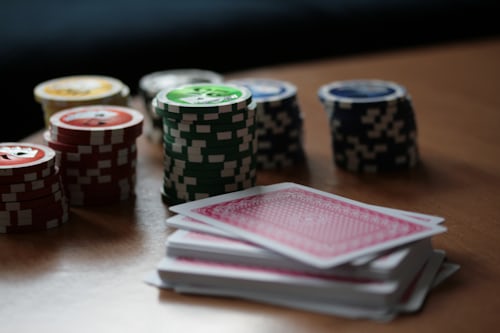
Additionally, players can lose track of their budgets and gambling limits when chasing these imagined streaks. This behavior often leads to increased financial risk and potential gambling problems. By debunking the myth of hot and cold streaks, gamblers can maintain a more balanced and rational approach, focusing on responsible gambling rather than chasing after elusive patterns that don’t exist. It’s crucial for players to set realistic expectations based on the true nature of the games they play.
The Myth of ‘Due’ Outcomes
Another commonly held belief among gamblers is the idea that they can predict outcomes based on past results, operating under the assumption that a game is ‘due’ for a win. This is particularly prevalent in games like lotteries and bingo; players often think that if a particular number hasn’t been drawn in a while, it must eventually come up. However, this belief is a classic example of the gambler’s fallacy. Outcomes in games of chance are random, and the probability of any given number coming up doesn’t change based on its past frequency.
Moreover, this myth can significantly influence betting patterns. For instance, a player may choose to place larger bets on numbers they believe are ‘due,’ ultimately risking more money based on flawed reasoning. This can lead to substantial financial losses, especially when the player believes they are making a logical decision. It’s crucial to remember that each game round is independent, and the outcomes are not influenced by previous games. Understanding this can help players avoid the trap of chasing losses.
The belief in ‘due’ outcomes can prevent players from grasping the odds and probabilities inherent in gaming. With a better understanding of how randomness works, gamblers can make decisions rooted in reality rather than misconceptions. By abandoning the notion that luck can be predicted, players can shift their focus to enjoying the games without undue pressure and financial strain based on false hopes. This change in perspective can lead to a healthier and more enjoyable gambling experience.
The Misconception of Skill-Based Games
Skill-based games such as poker and blackjack often lead players to believe that mastering a game can guarantee them a win. While it is true that skill can significantly affect outcomes in these types of games, many inexperienced players overestimate the influence of skill and underestimate the role of luck. It’s essential to recognize that even the most skilled player will encounter bouts of bad luck, which can heavily influence game results. Relying solely on skill can lead to a distorted perception of control over outcomes.
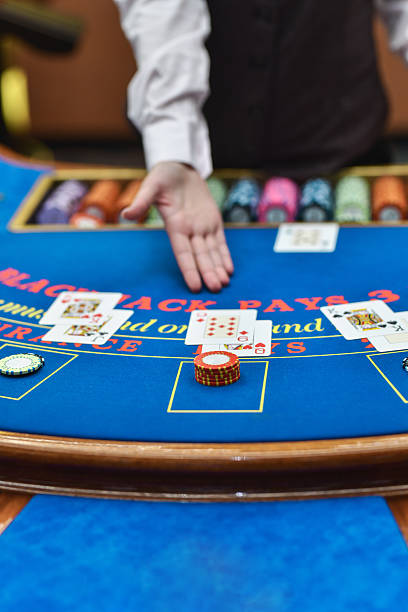
Furthermore, many players assume that their understanding of strategies will always provide them with a winning edge. However, effective strategy is more about making informed decisions based on probabilities rather than relying on prior experiences. In a game of poker, for example, knowing when to fold or raise is vital, but these decisions must also take into account the unpredictability of opponents’ actions and random card draws. As a result, even the best strategies cannot account for all variables, including the ever-present element of chance.
To ensure a fulfilling gambling experience, players must strike a balance between skill and an understanding of luck’s role. Embracing the unpredictability of games can enhance enjoyment and reduce stress associated with gambling losses. Developing a clear perspective on the interplay of skill and luck will foster a more realistic approach, helping players to remain grounded in their expectations and experiences at the gaming table. This balanced mindset can ultimately lead to more pleasurable and responsible gaming sessions.
Reliable Information for Gamblers
For those looking to navigate the world of gambling more effectively, seeking out reliable information is crucial. Various online resources provide insights, strategies, game rules, and tips for responsible gambling practices. Understanding the mechanics behind each game can significantly improve the player experience and lead to more informed decisions. Players can greatly benefit from platforms that offer unbiased information and guidance on how to enjoy their time without falling prey to myths and misconceptions.
These resources can include forums, articles, and instructional videos that break down the odds, strategies, and potential pitfalls associated with different games. Moreover, reliable sites often emphasize responsible gambling, encouraging players to set budgets, recognize signs of problem gambling, and maintain a healthy balance between fun and financial responsibility. Knowledge is power, and the more informed a player is, the less likely they are to be swayed by myths and false beliefs that can lead to poor gambling practices.
In conclusion, accessing trustworthy information can empower players, equipping them with the tools needed to make thoughtful decisions and enjoy their gaming experiences responsibly. Such platforms foster a gaming culture where understanding and enjoyment go hand in hand, allowing gamblers to immerse themselves in the thrill of the experience without being misled by myths and misconceptions. By prioritizing education and responsible gaming, players can cultivate a more positive relationship with gambling as a form of entertainment.